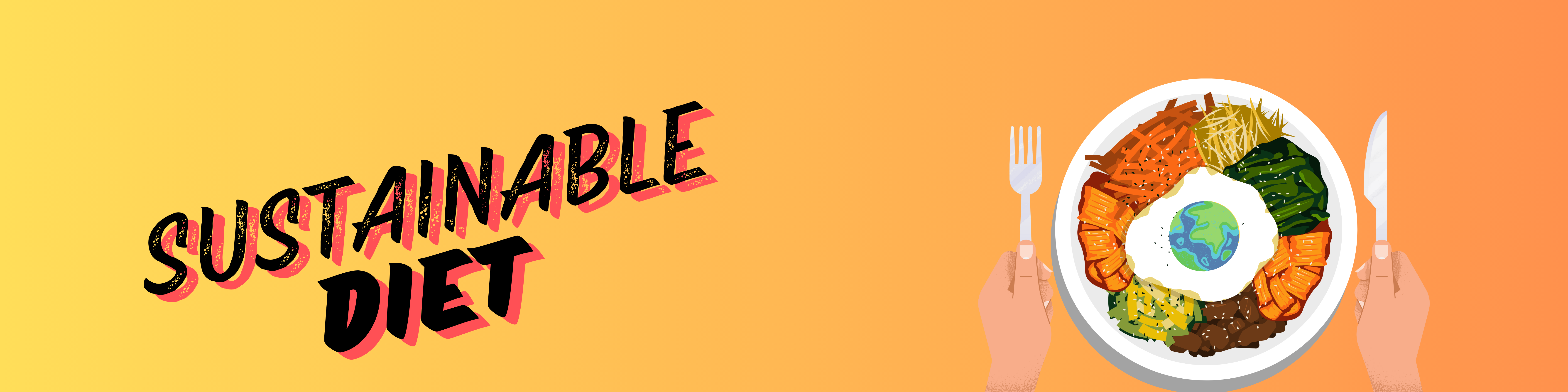
Climate-Friendly Diet: How Your Food Choices Impact the Planet
The food we eat not only nourishes us but also plays a crucial role in shaping the planet’s health. Adopting a climate-friendly diet can significantly reduce your carbon footprint, conserve resources, and protect biodiversity. In this post, we’ll explore how your food choices impact the environment and provide practical tips for making more sustainable decisions in your everyday meals.
1. The Environmental Cost of Food Production
Food production is one of the largest contributors to greenhouse gas emissions, water usage, and deforestation. Here are some ways certain food choices impact the environment:
- Meat production, especially beef, generates a significant amount of methane—a potent greenhouse gas. Livestock farming also requires vast amounts of water and land.
- Deforestation for agriculture destroys habitats and contributes to biodiversity loss, as forests are cleared for crops like soy and palm oil.
- Food transportation, especially for out-of-season and imported products, adds to carbon emissions through shipping and air travel.
By understanding the environmental cost of the foods we eat, we can start making choices that support a healthier planet.
2. Embrace a Plant-Based Diet
A plant-based diet has a lower environmental impact than one centered around animal products. Reducing your consumption of meat, dairy, and other animal-based foods can have immediate benefits for the environment:
- Plant-based foods like grains, legumes, fruits, and vegetables require fewer resources to produce and emit fewer greenhouse gases.
- Meatless meals even once or twice a week, such as following “Meatless Mondays,” can help reduce demand for resource-heavy meat production.
- Plant-based proteins like beans, lentils, tofu, and tempeh provide plenty of protein while using significantly less water and land than animal-based proteins.
For those not ready to fully give up meat, consider starting with small changes by incorporating more plant-based meals into your weekly routine.
3. Choose Local and Seasonal Foods
Eating local and seasonal foods is another way to reduce your carbon footprint:
- Locally sourced foods travel shorter distances, meaning less energy is used for transportation. Supporting local farmers also helps maintain sustainable farming practices and local ecosystems.
- Seasonal produce is often fresher, more nutritious, and requires fewer artificial inputs (like energy for greenhouses) compared to out-of-season crops that need to be transported from far away.
To get started, visit farmers’ markets or join a local community-supported agriculture (CSA) program to source fresh, local, and seasonal foods.
4. Reduce Food Waste
Food waste is a major environmental issue. When food is thrown away, all the resources used to produce, transport, and package it are wasted, too. Here’s how you can reduce food waste at home:
- Plan meals in advance and create a shopping list to avoid buying more than you need.
- Store food properly to extend its shelf life. For example, store fruits and vegetables in the right places (fridge, pantry, or countertop) to prevent spoilage.
- Repurpose leftovers into new meals. Leftover veggies can become a stir-fry, while fruit that’s about to spoil can be used in smoothies or baked goods.
- Compost food scraps instead of throwing them in the trash, which reduces the amount of waste sent to landfills.
By making small adjustments in how you handle food at home, you can play a part in reducing the staggering amount of food waste.
5. Support Sustainable and Ethical Farming Practices
Another way to align your diet with climate action is by supporting sustainable and ethical farming practices:
- Buy organic when possible, as organic farming tends to use fewer pesticides and synthetic fertilizers, which reduces harm to the environment.
- Choose products with eco-certifications, like Rainforest Alliance, Fair Trade, or Marine Stewardship Council (MSC) labels. These certifications ensure that products are sourced sustainably and ethically, minimizing environmental impact.
- Eat responsibly sourced seafood, such as wild-caught or sustainably farmed fish, to help protect marine ecosystems from overfishing and habitat destruction.
Supporting farmers and producers who prioritize sustainability is a powerful way to ensure your food choices are environmentally responsible.
6. Eat Lower on the Food Chain
Foods that are lower on the food chain—plants, grains, and legumes—have a much smaller environmental impact than animal-based foods:
- Grains like rice, quinoa, and barley are more sustainable compared to meat and dairy, as they require fewer resources to produce.
- Legumes like lentils, chickpeas, and black beans not only offer high-quality protein but also help improve soil health by fixing nitrogen, reducing the need for chemical fertilizers.
Incorporating more foods from lower on the food chain into your diet helps conserve resources and reduces emissions.
Conclusion: Small Changes, Big Impact
Adopting a climate-friendly diet doesn’t mean drastically changing your lifestyle. Small changes—such as reducing meat consumption, choosing local foods, and cutting food waste—can have a significant impact on the planet’s health. By making thoughtful food choices, you can contribute to the fight against climate change while enjoying delicious, nutritious meals.
Ready to make your diet more climate-friendly? Start today by swapping one meal a week for a plant-based option, or by shopping for local and seasonal produce. Every bite counts!