Climate Action refers to the collective efforts of governments, organizations, and individuals to combat climate change and its impacts. It focuses on reducing greenhouse gas emissions, adapting to climate change consequences, and ensuring a sustainable future for all. The need for climate action arises from the growing evidence that human activities, such as burning fossil fuels, deforestation, and industrial processes, are significantly increasing the Earth’s temperature, leading to more frequent extreme weather events, rising sea levels, and ecosystem disruptions.
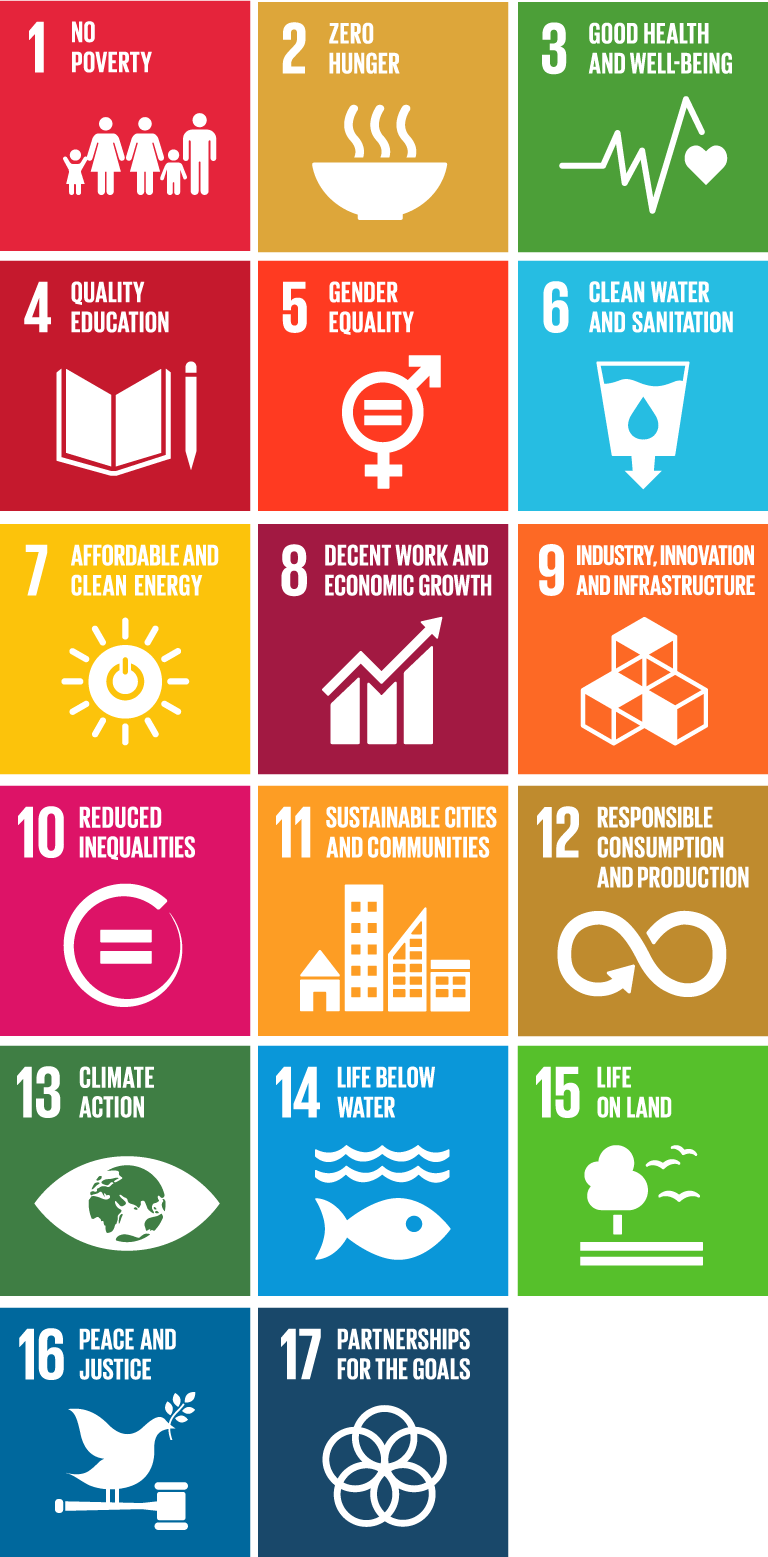
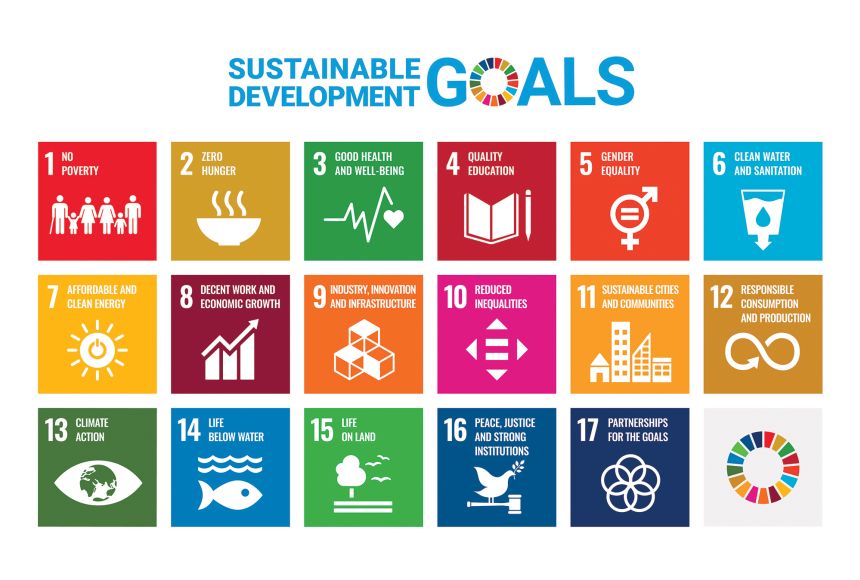
The United Nations Sustainable Development Goal (SDG) 13, Climate Action, urges all nations to take urgent measures to tackle climate change by:
* Reducing carbon emissions to limit global temperature rise.
* Strengthening resilience to climate-induced disasters.
* Promoting clean energy solutions and sustainable resource use.
* Supporting climate action initiatives in developing countries.
The scientific consensus is clear: immediate and sustained climate action is essential to prevent irreversible damage to the planet. By acting now, we can mitigate the worst impacts of climate change, protect ecosystems, and ensure that future generations can live in a more stable and resilient environment.
Key areas of climate action include:
* Renewable energy adoption (e.g., solar, wind, hydropower)
* Sustainable agriculture and food systems
* Eco-friendly transportation
* Waste reduction and recycling
Every individual can contribute by making lifestyle changes, supporting clean energy policies, and participating in local and global climate initiatives.
Climate action is critical for the health and sustainability of our planet and for future generations. The rapid changes in the Earth’s climate are primarily driven by human activities such as burning fossil fuels, deforestation, and industrial processes. Without immediate and sustained efforts to reduce greenhouse gas emissions, the world faces catastrophic consequences. Here’s why climate action is so important:
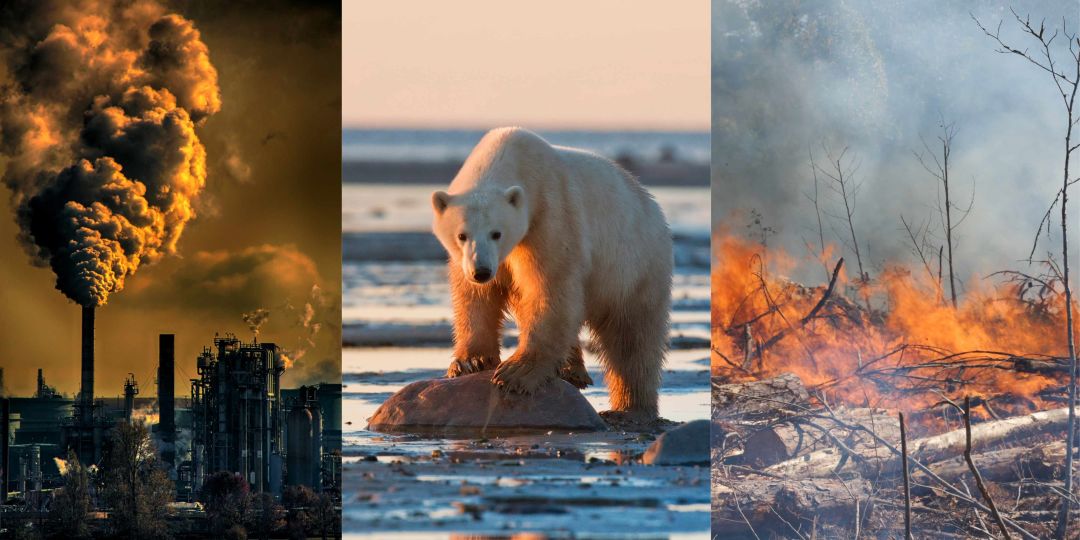
One of the main goals of climate action is to prevent further global warming. The Earth’s average temperature has already risen by approximately 1.1°C since the pre-industrial era, and without intervention, we are on track to exceed the 1.5°C threshold outlined in the Paris Agreement. Every fraction of a degree increase in global temperature has severe consequences, including more frequent and intense heatwaves, droughts, and wildfires.
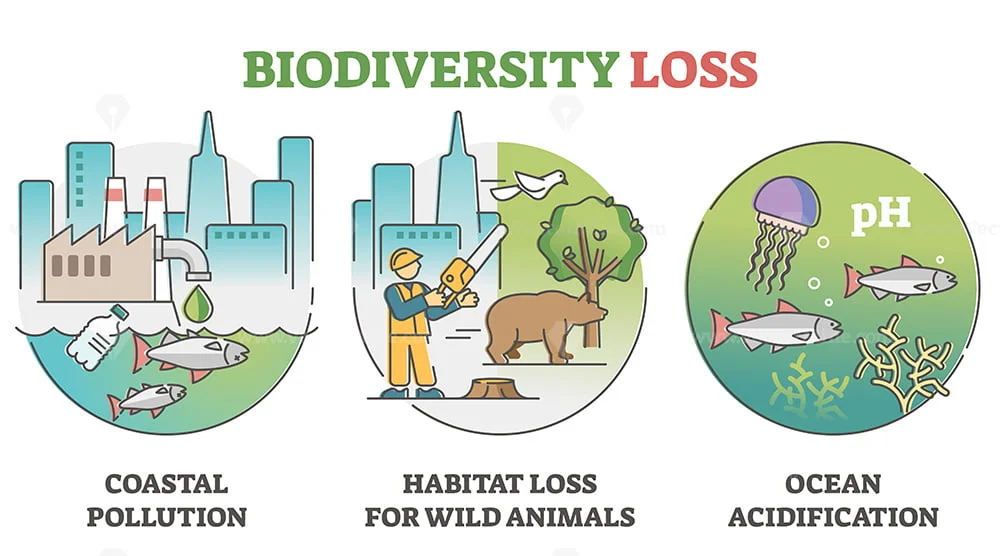
Ecosystems and the biodiversity they support are particularly vulnerable to the effects of climate change. Rising temperatures, changing precipitation patterns, and habitat destruction are pushing many species to the brink of extinction. Protecting biodiversity is not only essential for the health of the environment but also for human well-being, as ecosystems provide critical services like clean air, water, and food.
Climate change is fueling extreme weather events, including stronger hurricanes, more intense floods, and prolonged droughts. These events not only result in devastating property damage and loss of life but also disrupt food production, water supply, and essential infrastructure. By taking action now, we can reduce the likelihood and severity of these events, ultimately protecting communities and economies worldwide.
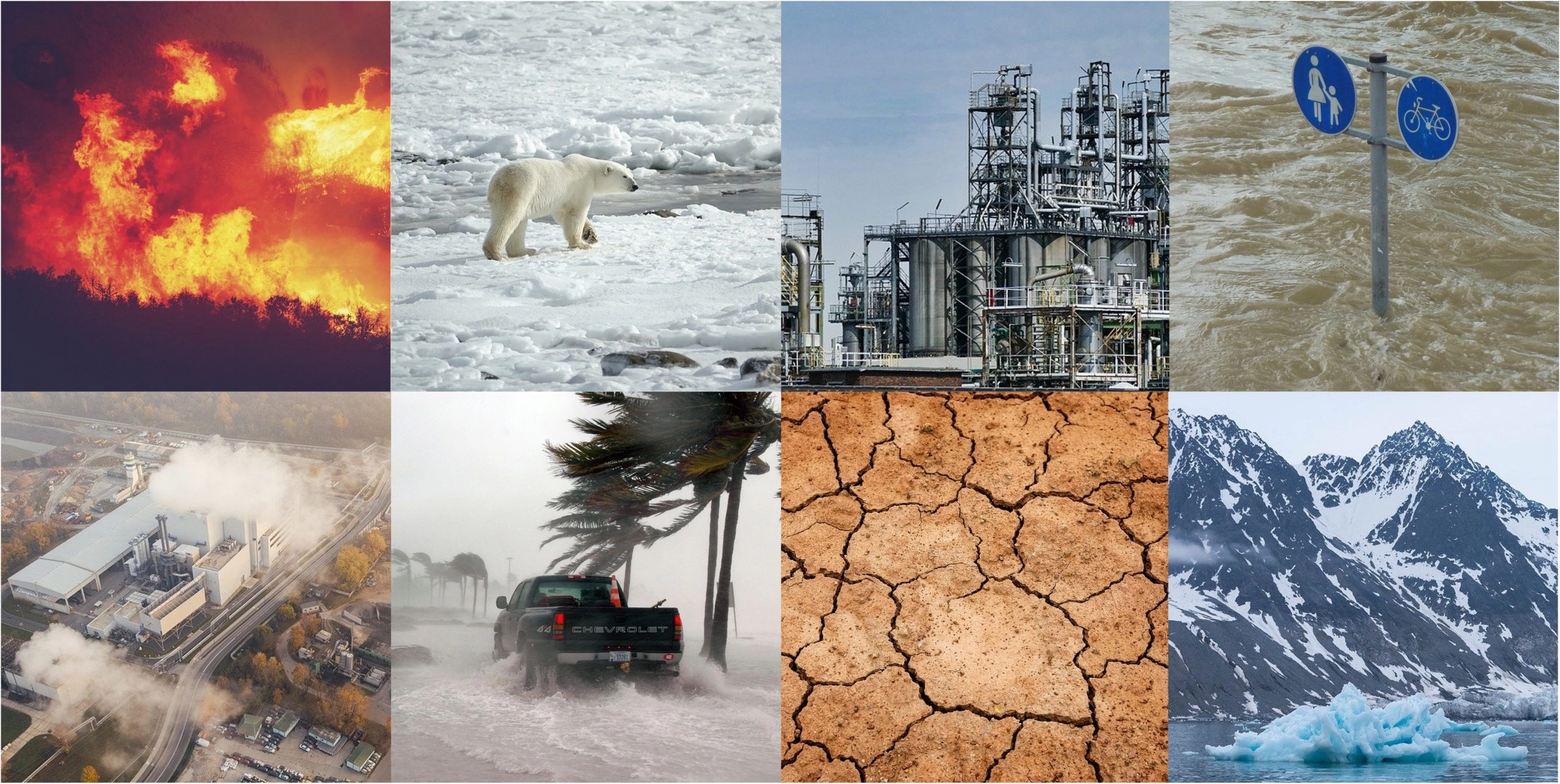
The most vulnerable populations—those in developing countries, low-income communities, and coastal areas—are disproportionately affected by climate change. Without urgent climate action, millions of people could be displaced due to rising sea levels, food and water scarcity, and extreme weather conditions. By acting now, we can build a more resilient and equitable world where everyone has a chance to thrive.

Implementing climate action involves a series of strategic steps and practices aimed at reducing environmental impact and fostering a sustainable future. Here’s how you can take effective action:
To enhance energy efficiency in homes and businesses, start by upgrading to energy-efficient appliances with high ratings, such as ENERGY STAR. Improving insulation can also help reduce the need for heating and cooling, which lowers overall energy consumption. Additionally, switching to LED lighting is a smart choice, as LEDs consume up to 80% less energy than traditional bulbs and have a longer lifespan. For renewable energy sources, installing solar panels provides a clean, renewable alternative that decreases reliance on fossil fuels, while small-scale wind turbines can be an effective solution in areas with consistent wind, generating clean energy.
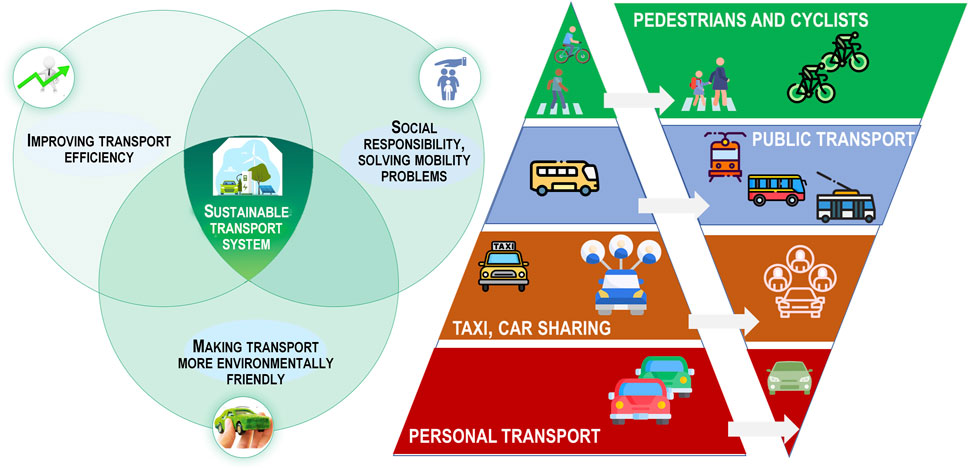
To reduce vehicle emissions, consider opting for public transit by using buses, trains, and subways to lessen the number of individual vehicles on the road. Carpooling and sharing rides can further decrease the number of cars and lower overall emissions. Additionally, embracing alternative modes of transport such as electric vehicles (EVs) offers a cleaner alternative to gasoline-powered cars, as EVs produce no tailpipe emissions. For shorter distances, bicycling or walking not only reduces emissions but also promotes personal health.
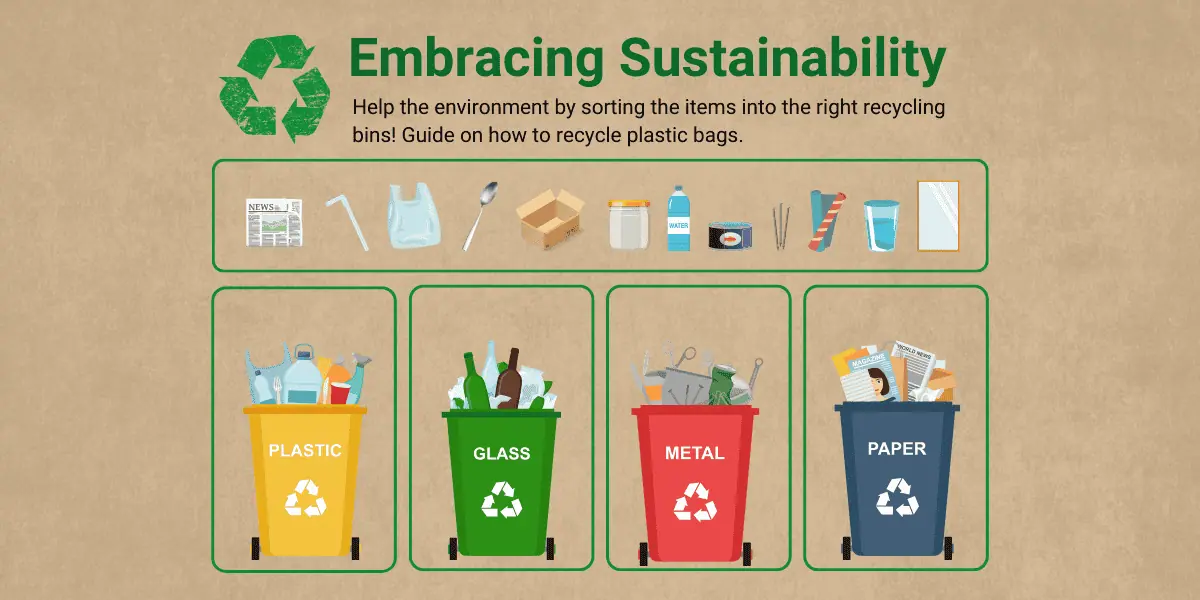
To reduce waste, practice recycling and composting by separating waste to ensure recyclable materials are properly processed and composting organic waste. Minimize single-use plastics by opting for reusable items such as water bottles, bags, and containers. In terms of sustainable consumption, choose eco-friendly products made from sustainable materials with minimal environmental impact. Supporting local and organic food also helps reduce the carbon footprint associated with food transportation and the use of chemicals.
To enhance climate resilience, focus on adaptation strategies such as building green infrastructure. This includes investing in green roofs, rain gardens, and permeable pavements to manage stormwater and mitigate urban heat islands. Additionally, developing climate-resilient policies is crucial; these policies should address climate risks and promote sustainable development practices within communities. Community engagement is also vital: educate and involve local communities to raise awareness about climate change and participate in sustainability initiatives. Supporting climate action programs, whether through participation or support, helps advance environmental conservation and climate adaptation efforts. By implementing these measures, you contribute to a global effort to combat climate change, safeguard the environment, and ensure a sustainable future for future generations.
Taking personal and collective action is crucial for advancing climate solutions and fostering a sustainable future. Here’s how you can get involved and make a difference:
Start by reading up on climate science to familiarize yourself with the latest research and information on climate change and its impacts. Attending workshops and seminars focused on climate action is also beneficial, as these events provide opportunities to learn from experts and stay updated on new initiatives. To share knowledge, use social media, blogs, and community forums to disseminate information about climate issues and solutions. Additionally, consider organizing or joining local events such as talks, film screenings, and discussion groups to raise awareness and engage your community in climate action efforts.
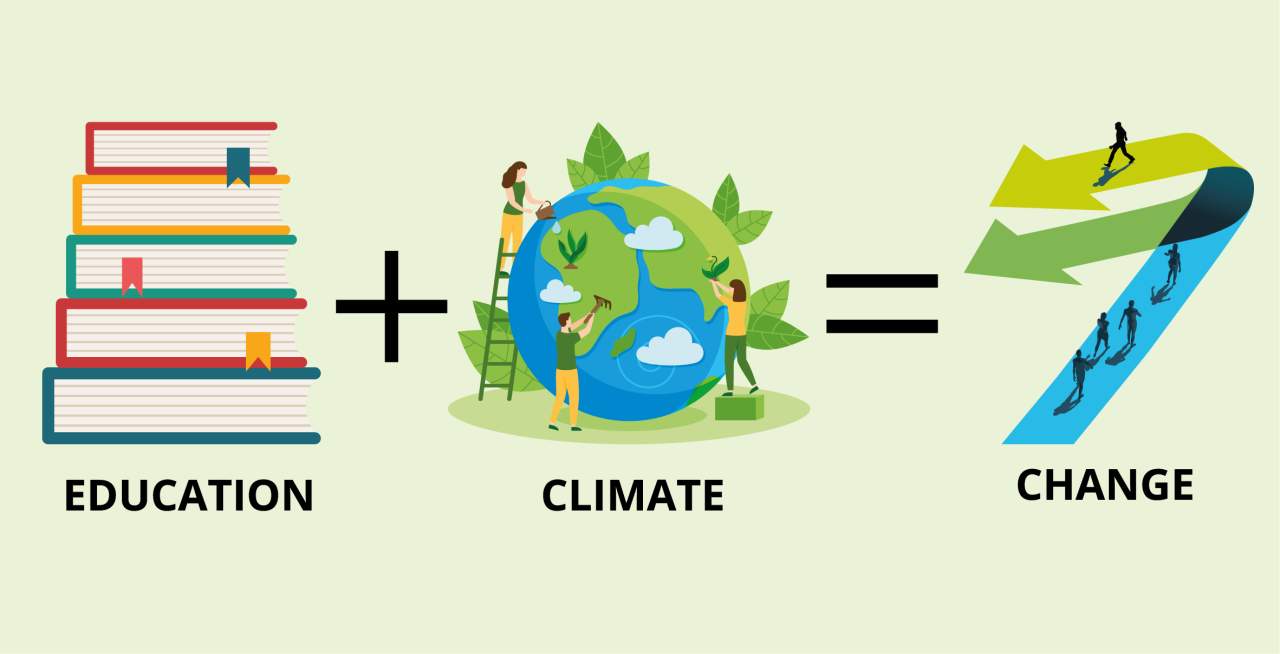
Engage with policymakers by contacting local and national representatives to express your support for climate-friendly policies and legislation. Participate in public consultations and surveys related to environmental and climate policies to contribute your views. Additionally, join environmental organizations by supporting NGOs through donations or volunteering. Being an active member in campaigns and initiatives led by these groups can help drive policy changes and increase public awareness on climate action, conservation, and sustainability.
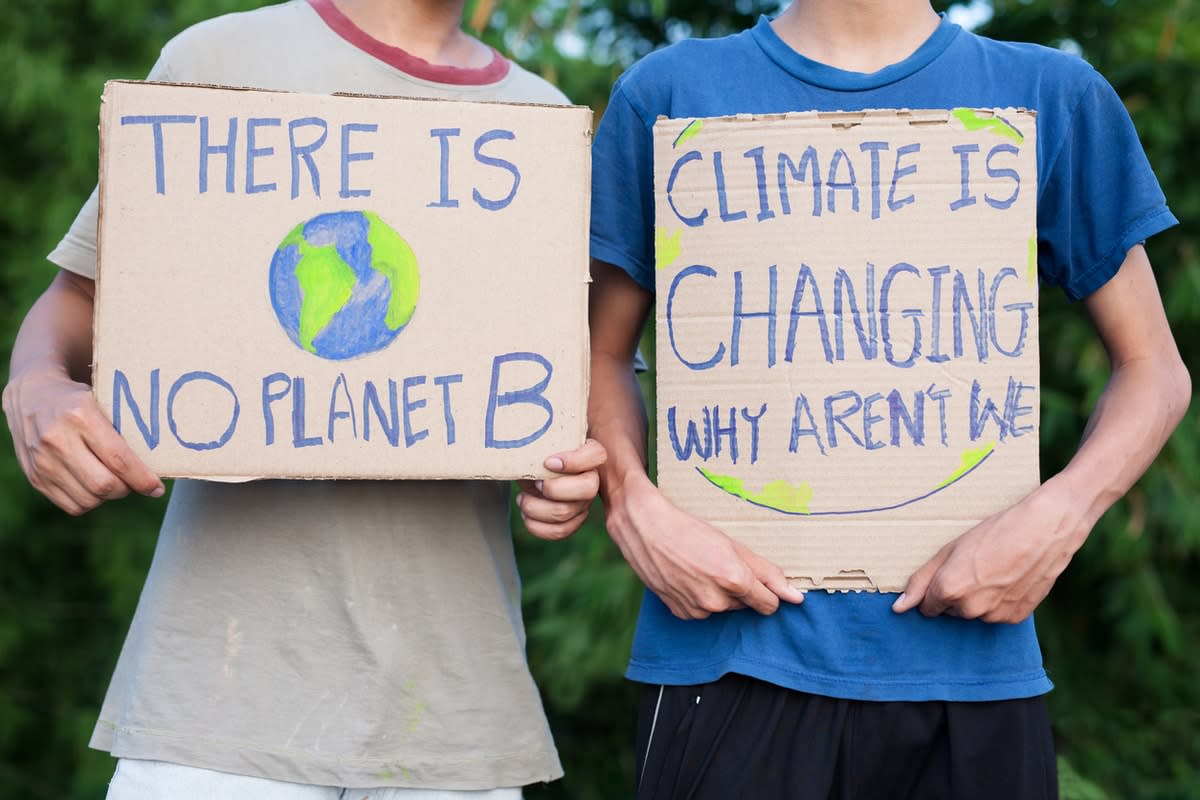
To reduce your carbon footprint, start by conserving energy: turn off lights when not in use, unplug devices, and opt for energy-efficient appliances to minimize overall energy consumption. Additionally, reduce water usage by fixing leaks, using water-saving fixtures, and practicing effective water conservation methods. Make eco-friendly choices by selecting products with minimal environmental impact, such as those made from recycled materials or sustainable sources. Support green businesses by shopping from companies that are committed to environmental sustainability and ethical practices.

Subscribe to Newsletter
Climate Action refers to the collective efforts of governments, organizations, and individuals to combat climate change and its impacts. It focuses on reducing greenhouse gas emissions, adapting to climate change consequences, and ensuring a sustainable future for all. The need for climate action arises from the growing evidence that human activities, such as burning fossil fuels, deforestation, and industrial processes, are significantly increasing the Earth’s temperature, leading to more frequent extreme weather events, rising sea levels, and ecosystem disruptions.
The United Nations Sustainable Development Goal (SDG) 13, Climate Action, urges all nations to take urgent measures to tackle climate change by:
* Reducing carbon emissions to limit global temperature rise.
* Strengthening resilience to climate-induced disasters.
* Promoting clean energy solutions and sustainable resource use.
* Supporting climate action initiatives in developing countries.
The scientific consensus is clear: immediate and sustained climate action is essential to prevent irreversible damage to the planet. By acting now, we can mitigate the worst impacts of climate change, protect ecosystems, and ensure that future generations can live in a more stable and resilient environment.
Key areas of climate action include:
* Renewable energy adoption (e.g., solar, wind, hydropower)
* Sustainable agriculture and food systems
* Eco-friendly transportation
* Waste reduction and recycling
Every individual can contribute by making lifestyle changes, supporting clean energy policies, and participating in local and global climate initiatives.
Climate action is critical for the health and sustainability of our planet and for future generations. The rapid changes in the Earth’s climate are primarily driven by human activities such as burning fossil fuels, deforestation, and industrial processes. Without immediate and sustained efforts to reduce greenhouse gas emissions, the world faces catastrophic consequences. Here’s why climate action is so important:
One of the main goals of climate action is to prevent further global warming. The Earth’s average temperature has already risen by approximately 1.1°C since the pre-industrial era, and without intervention, we are on track to exceed the 1.5°C threshold outlined in the Paris Agreement. Every fraction of a degree increase in global temperature has severe consequences, including more frequent and intense heatwaves, droughts, and wildfires.
Ecosystems and the biodiversity they support are particularly vulnerable to the effects of climate change. Rising temperatures, changing precipitation patterns, and habitat destruction are pushing many species to the brink of extinction. Protecting biodiversity is not only essential for the health of the environment but also for human well-being, as ecosystems provide critical services like clean air, water, and food.
Climate change is fueling extreme weather events, including stronger hurricanes, more intense floods, and prolonged droughts. These events not only result in devastating property damage and loss of life but also disrupt food production, water supply, and essential infrastructure. By taking action now, we can reduce the likelihood and severity of these events, ultimately protecting communities and economies worldwide.
The most vulnerable populations—those in developing countries, low-income communities, and coastal areas—are disproportionately affected by climate change. Without urgent climate action, millions of people could be displaced due to rising sea levels, food and water scarcity, and extreme weather conditions. By acting now, we can build a more resilient and equitable world where everyone has a chance to thrive.
Implementing climate action involves a series of strategic steps and practices aimed at reducing environmental impact and fostering a sustainable future. Here’s how you can take effective action:
To enhance energy efficiency in homes and businesses, start by upgrading to energy-efficient appliances with high ratings, such as ENERGY STAR. Improving insulation can also help reduce the need for heating and cooling, which lowers overall energy consumption. Additionally, switching to LED lighting is a smart choice, as LEDs consume up to 80% less energy than traditional bulbs and have a longer lifespan. For renewable energy sources, installing solar panels provides a clean, renewable alternative that decreases reliance on fossil fuels, while small-scale wind turbines can be an effective solution in areas with consistent wind, generating clean energy.
To reduce vehicle emissions, consider opting for public transit by using buses, trains, and subways to lessen the number of individual vehicles on the road. Carpooling and sharing rides can further decrease the number of cars and lower overall emissions. Additionally, embracing alternative modes of transport such as electric vehicles (EVs) offers a cleaner alternative to gasoline-powered cars, as EVs produce no tailpipe emissions. For shorter distances, bicycling or walking not only reduces emissions but also promotes personal health.
To reduce waste, practice recycling and composting by separating waste to ensure recyclable materials are properly processed and composting organic waste. Minimize single-use plastics by opting for reusable items such as water bottles, bags, and containers. In terms of sustainable consumption, choose eco-friendly products made from sustainable materials with minimal environmental impact. Supporting local and organic food also helps reduce the carbon footprint associated with food transportation and the use of chemicals.
To enhance climate resilience, focus on adaptation strategies such as building green infrastructure. This includes investing in green roofs, rain gardens, and permeable pavements to manage stormwater and mitigate urban heat islands. Additionally, developing climate-resilient policies is crucial; these policies should address climate risks and promote sustainable development practices within communities. Community engagement is also vital: educate and involve local communities to raise awareness about climate change and participate in sustainability initiatives. Supporting climate action programs, whether through participation or support, helps advance environmental conservation and climate adaptation efforts. By implementing these measures, you contribute to a global effort to combat climate change, safeguard the environment, and ensure a sustainable future for future generations.
Taking personal and collective action is crucial for advancing climate solutions and fostering a sustainable future. Here’s how you can get involved and make a difference:
Start by reading up on climate science to familiarize yourself with the latest research and information on climate change and its impacts. Attending workshops and seminars focused on climate action is also beneficial, as these events provide opportunities to learn from experts and stay updated on new initiatives. To share knowledge, use social media, blogs, and community forums to disseminate information about climate issues and solutions. Additionally, consider organizing or joining local events such as talks, film screenings, and discussion groups to raise awareness and engage your community in climate action efforts.
Engage with policymakers by contacting local and national representatives to express your support for climate-friendly policies and legislation. Participate in public consultations and surveys related to environmental and climate policies to contribute your views. Additionally, join environmental organizations by supporting NGOs through donations or volunteering. Being an active member in campaigns and initiatives led by these groups can help drive policy changes and increase public awareness on climate action, conservation, and sustainability.
To reduce your carbon footprint, start by conserving energy: turn off lights when not in use, unplug devices, and opt for energy-efficient appliances to minimize overall energy consumption. Additionally, reduce water usage by fixing leaks, using water-saving fixtures, and practicing effective water conservation methods. Make eco-friendly choices by selecting products with minimal environmental impact, such as those made from recycled materials or sustainable sources. Support green businesses by shopping from companies that are committed to environmental sustainability and ethical practices.
Subscribe to Newsletter
Climate Action refers to the collective efforts of governments, organizations, and individuals to combat climate change and its impacts. It focuses on reducing greenhouse gas emissions, adapting to climate change consequences, and ensuring a sustainable future for all. The need for climate action arises from the growing evidence that human activities, such as burning fossil fuels, deforestation, and industrial processes, are significantly increasing the Earth’s temperature, leading to more frequent extreme weather events, rising sea levels, and ecosystem disruptions.
The United Nations Sustainable Development Goal (SDG) 13, Climate Action, urges all nations to take urgent measures to tackle climate change by:
* Reducing carbon emissions to limit global temperature rise.
* Strengthening resilience to climate-induced disasters.
* Promoting clean energy solutions and sustainable resource use.
* Supporting climate action initiatives in developing countries.
The scientific consensus is clear: immediate and sustained climate action is essential to prevent irreversible damage to the planet. By acting now, we can mitigate the worst impacts of climate change, protect ecosystems, and ensure that future generations can live in a more stable and resilient environment.
Key areas of climate action include:
* Renewable energy adoption (e.g., solar, wind, hydropower)
* Sustainable agriculture and food systems
* Eco-friendly transportation
* Waste reduction and recycling
Every individual can contribute by making lifestyle changes, supporting clean energy policies, and participating in local and global climate initiatives.
Climate action is critical for the health and sustainability of our planet and for future generations. The rapid changes in the Earth’s climate are primarily driven by human activities such as burning fossil fuels, deforestation, and industrial processes. Without immediate and sustained efforts to reduce greenhouse gas emissions, the world faces catastrophic consequences. Here’s why climate action is so important:
One of the main goals of climate action is to prevent further global warming. The Earth’s average temperature has already risen by approximately 1.1°C since the pre-industrial era, and without intervention, we are on track to exceed the 1.5°C threshold outlined in the Paris Agreement. Every fraction of a degree increase in global temperature has severe consequences, including more frequent and intense heatwaves, droughts, and wildfires.
Ecosystems and the biodiversity they support are particularly vulnerable to the effects of climate change. Rising temperatures, changing precipitation patterns, and habitat destruction are pushing many species to the brink of extinction. Protecting biodiversity is not only essential for the health of the environment but also for human well-being, as ecosystems provide critical services like clean air, water, and food.
Climate change is fueling extreme weather events, including stronger hurricanes, more intense floods, and prolonged droughts. These events not only result in devastating property damage and loss of life but also disrupt food production, water supply, and essential infrastructure. By taking action now, we can reduce the likelihood and severity of these events, ultimately protecting communities and economies worldwide.
The most vulnerable populations—those in developing countries, low-income communities, and coastal areas—are disproportionately affected by climate change. Without urgent climate action, millions of people could be displaced due to rising sea levels, food and water scarcity, and extreme weather conditions. By acting now, we can build a more resilient and equitable world where everyone has a chance to thrive.
Implementing climate action involves a series of strategic steps and practices aimed at reducing environmental impact and fostering a sustainable future. Here’s how you can take effective action:
To enhance energy efficiency in homes and businesses, start by upgrading to energy-efficient appliances with high ratings, such as ENERGY STAR. Improving insulation can also help reduce the need for heating and cooling, which lowers overall energy consumption. Additionally, switching to LED lighting is a smart choice, as LEDs consume up to 80% less energy than traditional bulbs and have a longer lifespan. For renewable energy sources, installing solar panels provides a clean, renewable alternative that decreases reliance on fossil fuels, while small-scale wind turbines can be an effective solution in areas with consistent wind, generating clean energy.
To reduce vehicle emissions, consider opting for public transit by using buses, trains, and subways to lessen the number of individual vehicles on the road. Carpooling and sharing rides can further decrease the number of cars and lower overall emissions. Additionally, embracing alternative modes of transport such as electric vehicles (EVs) offers a cleaner alternative to gasoline-powered cars, as EVs produce no tailpipe emissions. For shorter distances, bicycling or walking not only reduces emissions but also promotes personal health.
To reduce waste, practice recycling and composting by separating waste to ensure recyclable materials are properly processed and composting organic waste. Minimize single-use plastics by opting for reusable items such as water bottles, bags, and containers. In terms of sustainable consumption, choose eco-friendly products made from sustainable materials with minimal environmental impact. Supporting local and organic food also helps reduce the carbon footprint associated with food transportation and the use of chemicals.
To enhance climate resilience, focus on adaptation strategies such as building green infrastructure. This includes investing in green roofs, rain gardens, and permeable pavements to manage stormwater and mitigate urban heat islands. Additionally, developing climate-resilient policies is crucial; these policies should address climate risks and promote sustainable development practices within communities. Community engagement is also vital: educate and involve local communities to raise awareness about climate change and participate in sustainability initiatives. Supporting climate action programs, whether through participation or support, helps advance environmental conservation and climate adaptation efforts. By implementing these measures, you contribute to a global effort to combat climate change, safeguard the environment, and ensure a sustainable future for future generations.
Taking personal and collective action is crucial for advancing climate solutions and fostering a sustainable future. Here’s how you can get involved and make a difference:
Start by reading up on climate science to familiarize yourself with the latest research and information on climate change and its impacts. Attending workshops and seminars focused on climate action is also beneficial, as these events provide opportunities to learn from experts and stay updated on new initiatives. To share knowledge, use social media, blogs, and community forums to disseminate information about climate issues and solutions. Additionally, consider organizing or joining local events such as talks, film screenings, and discussion groups to raise awareness and engage your community in climate action efforts.
Engage with policymakers by contacting local and national representatives to express your support for climate-friendly policies and legislation. Participate in public consultations and surveys related to environmental and climate policies to contribute your views. Additionally, join environmental organizations by supporting NGOs through donations or volunteering. Being an active member in campaigns and initiatives led by these groups can help drive policy changes and increase public awareness on climate action, conservation, and sustainability.
To reduce your carbon footprint, start by conserving energy: turn off lights when not in use, unplug devices, and opt for energy-efficient appliances to minimize overall energy consumption. Additionally, reduce water usage by fixing leaks, using water-saving fixtures, and practicing effective water conservation methods. Make eco-friendly choices by selecting products with minimal environmental impact, such as those made from recycled materials or sustainable sources. Support green businesses by shopping from companies that are committed to environmental sustainability and ethical practices.
Subscribe to Newsletter